Decorative Window Lattice Ornament. Gold
A Vintage Frame That Feels Like a Quiet Conversation
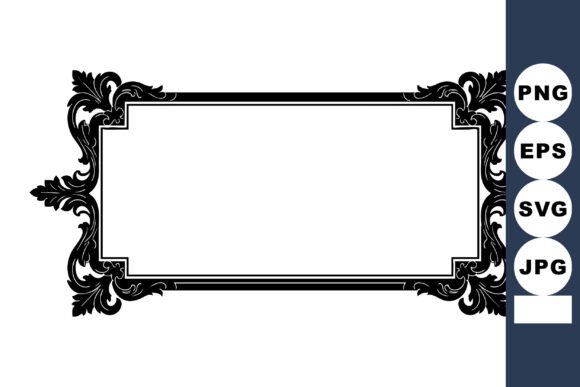
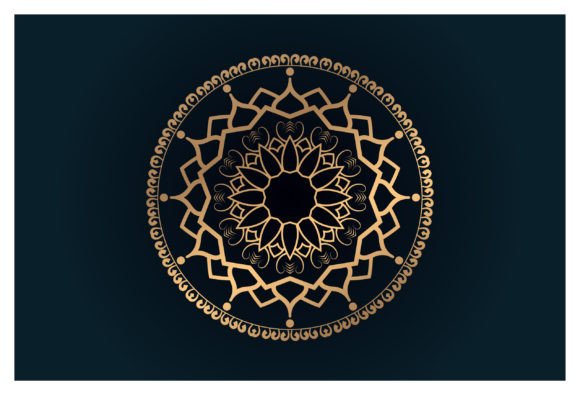
First glance at Decorative Window Lattice Ornament. Gold isn’t about flash—it’s about presence. The shape reads instantly as architectural: clean intersecting lines, subtle curves at the corners, and that delicate, intentional asymmetry in the lattice pattern. It doesn’t shout “vintage”; it whispers it—like a brass doorknob worn smooth by decades of gentle hands. As an embroidery designer who’s stitched everything from monogrammed napkins to boutique baby blankets, I immediately saw its quiet versatility. This isn’t a design that fights for attention. It settles in—elegant but unpretentious, structured but soft in execution.
Where It Lives Best (and Why)
I recently tested Decorative Window Lattice Ornament. Gold on a natural linen tote bag for a local artisan pop-up. Paired with a single-line script name inside the frame, it became the centerpiece—not busy, not fussy, just unmistakably *crafted*. That’s its sweet spot: products where restraint reads as intention. Think embroidered pillow covers for a farmhouse bedroom, tea towels for a small-batch kitchen goods shop, or baby onesies where simplicity feels like care. It also works beautifully as a standalone embroidered patch—sewn onto denim jackets or canvas aprons for makers’ markets. Because the shape is open and balanced, it breathes on fabric without overwhelming it. For Etsy sellers, this is gold (pun intended): it photographs cleanly, scales well across product mockups, and reads as premium even in black-and-white printable mockups.
What Happens When You Stitch It—Honestly
Here’s what I noticed after stitching it on cotton twill, lightweight fleece, and medium-weight linen:
- Stitch clarity holds up—the outer frame stays crisp, and the inner lattice lines remain legible even at 3.5" wide. No bleeding, no skipped details, assuming proper stabilizer use.
- Thread color matters more than expected. A warm gold thread enhances the vintage mood, but a deep charcoal or navy works surprisingly well on light fabrics—turning it into a modern graphic rather than a period piece.
- It avoids common fill-stitch pitfalls. Unlike dense floral motifs, this design relies mostly on satin stitch for the frame and clean running or outline stitches for the lattice. That means less bulk, better drape on apparel, and fewer issues with thread breakage on long runs.
Use With Care—Not Every Fabric or Fit Is Equal
This isn’t a “throw-it-on-anything” design—and that’s a strength, not a limitation. Be thoughtful when applying Decorative Window Lattice Ornament. Gold to:
- Stretchy fabrics (like knits or jersey): The geometric precision can warp if stabilization isn’t tight and consistent. Use cutaway + tear-away combo, and avoid placing near side seams or curved hems.
- Dark or heavily textured fabrics: On charcoal terry cloth or bouclé, fine lattice lines may blur visually—even if they stitch cleanly. Consider simplifying the inner lines or using a bolder thread weight.
- Small hoop sizes under 4": The negative space inside the frame shrinks fast. Below 3", the ornament starts to feel cramped—not elegant, just tight. Stick to 3.75" minimum for balanced proportions.
- Curved surfaces like caps or hats: The flat geometry doesn’t naturally conform. If using on headwear, test placement on the front panel only—not the crown—and expect minor distortion in the lower corners.
How It Shapes Perception—Beyond the Stitch
In handmade product development, every design choice signals something to the buyer. Decorative Window Lattice Ornament. Gold quietly communicates thoughtfulness, timelessness, and tactile quality. Customers don’t see “graphics”—they feel the intention behind a well-placed frame motif on a nursery pillow or holiday tea towel. For craft businesses, that builds trust faster than any description. It also supports brand consistency: whether you’re selling embroidered patches or digital embroidery files, this motif acts as a visual anchor—recognizable across collections, seasons, and platforms. And because it’s isolated and clean, it integrates smoothly into larger compositions—say, flanking a monogram or wrapping around a custom quote on a sweatshirt.
Practical Designer Notes Before You Embroider
Before committing to your first finished product, run these checks:
- Test Decorative Window Lattice Ornament. Gold on scrap fabric matching your final project’s weight and stretch.
- Review stitch density—especially where lattice lines intersect. Overly dense areas can pucker thin fabrics.
- Confirm hoop size compatibility. While it’s scalable, extreme resizing affects line integrity.
- Inspect tiny corners and inner angles under magnification—some vector-to-embroidery conversions soften those edges.
- Try a black-and-white mockup. Does it retain character? If it fades visually without color, consider reinforcing outlines.
- Compare how it reads on light vs. dark backgrounds—this informs thread selection and stabilizer choices.
- Verify licensing terms. Since it’s listed as Illustrations and Graphics, confirm whether commercial use (e.g., selling embroidered totes or digital embroidery files) is permitted before listing on Etsy or elsewhere.
Final Thought: A Design That Earns Its Place
Decorative Window Lattice Ornament. Gold won’t go viral—but it will sell steadily, stitch cleanly, and age gracefully. It’s the kind of design that makes customers pause mid-scroll, then click “add to cart” because it feels both personal and polished. For embroidery designers, small shop owners, and creative entrepreneurs, it’s less of a trend and more of a reliable tool: understated, adaptable, and deeply rooted in craft logic. Use it where quiet confidence matters most—and let the gold (and the craftsmanship) speak for itself.