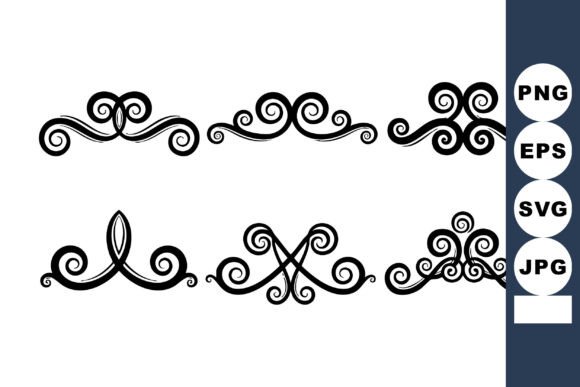
Decorative African Geometric Line Elements: Graphics & Illustrations
First Impression: Warm, Handcrafted, Culturally Grounded
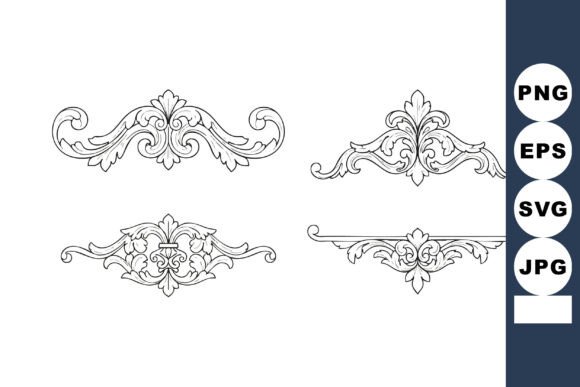
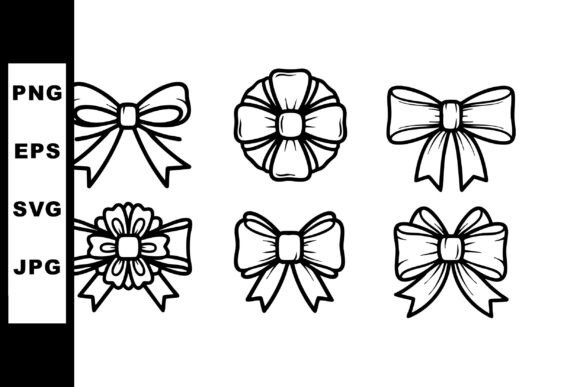
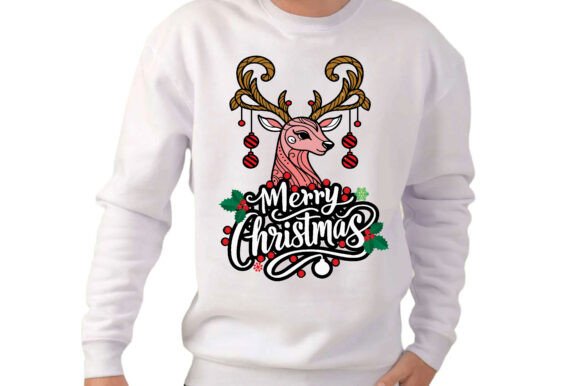
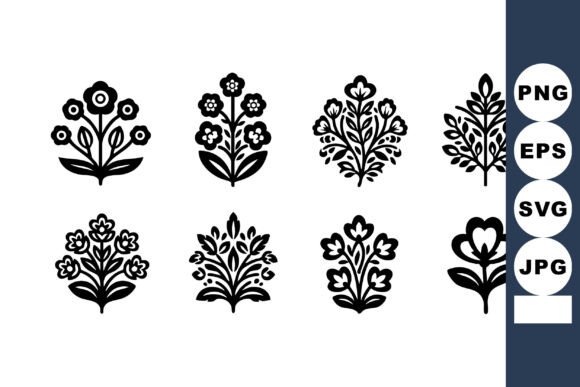
When I opened Decorative African Geometric Line Elemen for a recent branding project with a local handmade soap business—Kente & Clay—my first thought was: “This feels human.” The hand-drawn quality gives it authenticity, not algorithmic repetition. It carries rhythm, balance, and intention—like a pattern passed down, not generated. It reads as warm, culturally rich, and quietly confident—not loud or trend-chasing. For small business branding, that’s gold. It suggests craftsmanship, heritage, and care—perfect for food labels, boutique packaging, candle wraps, or children’s product branding where sincerity matters more than slickness.
Where This Graphic Design Asset Truly Shines
Decorative African Geometric Line Elemen works hardest where personality meets practicality. In real local business use, it elevates:
- Product labels—as subtle borders, corner accents, or background textures behind ingredient lists
- Packaging design—printed on kraft paper boxes, stamped on cotton drawstring bags, or foil-debossed on soap sleeves
- Holiday or seasonal campaigns—recolored in terracotta and sage for autumn launches, or indigo and ochre for summer collections
- Social media graphics—scaled as frame elements around product photos in Instagram carousels or Pinterest pins
- Printable design—used in thank-you cards, hang tags, and recipe inserts for local coffee roasters or bakeries
- Brand identity systems—as a repeating motif in website banners, email headers, or menu graphics for neighborhood cafés
Why Local Businesses Gain Real Value
This isn’t just decoration—it’s functional brand reinforcement. When applied intentionally, Decorative African Geometric Line Elemen strengthens small business branding by delivering:
- A stronger first impression on crowded shelves or social feeds
- Better product recognition—customers begin to associate the motif with your brand’s warmth and integrity
- Clearer visual hierarchy, especially when layered behind bold typography or used to separate sections on a price list or flyer
- More consistent brand identity across digital and physical touchpoints—from Canva templates to printed stickers
- Improved customer trust, because hand-drawn illustration signals care, not automation
- Better shelf appeal in farmers’ markets, gift shops, or local boutiques where handmade businesses compete visually
Best Use Cases: Practical, Not Just Pretty
For local business owners, this graphic design asset earns its keep most reliably in:
- Product mockups—especially when placed on matte-finish jars or recycled paper labels
- Hero graphics for homepage banners or pop-up shop signage
- Decorative brand elements—like watermark-style repeats behind “About Us” text on websites
- Promotional banners for seasonal sales, holiday markets, or community events
- Boutique visuals—embroidered onto fabric tags or laser-etched onto wooden display stands
- Social media campaign graphics—as animated SVG frames for Reels or static PNG overlays for Stories
Where to Proceed With Intention
Like any strong design asset, Decorative African Geometric Line Elemen has boundaries. Avoid using it:
- In formal corporate branding—it doesn’t align with law firms, banks, or B2B tech services
- On very small labels (under 1.5" width)—fine lines may blur or disappear in print
- In crowded product packaging—it competes with essential info like net weight or certifications
- Over low-contrast backgrounds—test thoroughly on light beige, cream, or soft grey; avoid near-white-on-white
- In luxury minimalist brands where negative space and restraint are core values
- Where it competes with legal text—ingredient lists, allergen statements, or regulatory disclaimers need clarity first
Brand Designer Notes: Test Before You Commit
Before finalizing Decorative African Geometric Line Elemen for client work or your own handmade business, run these checks:
- Test it on real packaging mockups—print at actual size on your intended substrate (kraft, vellum, linen paper)
- Check black-and-white usage—will it hold up if converted for monochrome printing or embroidery?
- Preview on small labels—zoom out to 25% in your layout software to simulate shelf viewing distance
- Test with brand colors—does it sing beside your primary palette, or mute it?
- Compare with competitor packaging—does it differentiate without alienating your audience?
- Review PNG transparency—ensure clean edges, no haloing, especially on textured backgrounds
- Inspect SVG or vector editability—can you adjust line weight or isolate segments for custom layouts?
- Test beside fonts—try it next to serif (e.g., Playfair), sans serif (e.g., Inter), script (e.g., Pacifico), handwritten, and display fonts to gauge harmony
- Confirm commercial license—verify rights for physical product sales, packaging, and marketing visuals before launching
A Final Thought for Creative Entrepreneurs
Great illustrations and graphics don’t shout—they resonate. Decorative African Geometric Line Elemen doesn’t try to be everything. It’s a focused, culturally rooted tool—and that focus is exactly what makes it powerful for small business branding. Whether you’re designing for a neighborhood florist, a seasonal hot sauce line, or a home-based skincare brand, this asset supports storytelling, not noise. Used with intention, it helps your local business stand out—not because it’s flashy, but because it feels true.