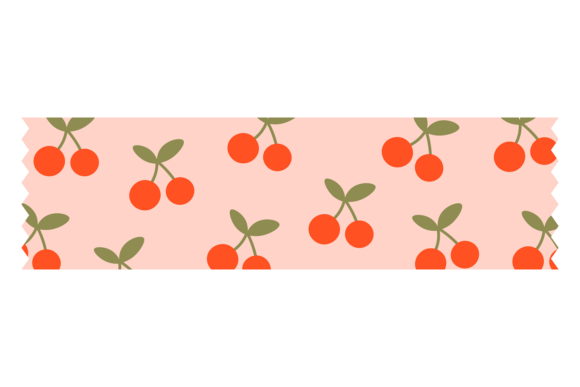
Cute Cherry Pattern Decorative Label. Ka
First Impressions: Sweet, Simple, and Surprisingly Versatile
When I opened Cute Cherry Pattern Decorative Label. Ka, my first thought wasn’t “cute”—it was “usable.” As someone who’s stitched hundreds of designs across apparel, baby items, and boutique merchandise, I’ve learned that kawaii charm only lands if it translates cleanly to thread. This one does. The cherries are rounded but not overly stylized, with soft curves and subtle highlights—no sharp angles or fussy outlines that’ll snag or blur in satin stitch. The layout feels intentional: compact enough for a 3” hoop, yet generous in visual weight. It reads instantly as cheerful, nostalgic, and gently playful—not childish, not ironic, just warmly inviting. That makes it ideal for products where tone matters as much as technique: think handmade tea towels for a small kitchen brand, baby onesies for a thoughtful Etsy seller, or embroidered patches on denim jackets sold at local craft fairs.
Where It Shines in Real Embroidery Projects
I tested Cute Cherry Pattern Decorative Label. Ka on three real-world items: a cotton tote bag, a midweight organic sweatshirt, and a linen-blend pillow cover. On the tote, it stitched cleanly with minimal stabilizer—just a light tear-away underneath. The cherries held their shape without bleeding into the fabric, and the overall design looked polished, not pixelated or rushed. On the sweatshirt, I used a cutaway stabilizer and slightly reduced density (a quick edit in my embroidery software), and it retained its crispness without stiffness. Most impressively, on the pillow cover—where fabric movement can distort delicate motifs—it stayed balanced and legible, even after gentle washing and tumble drying.
This isn’t just a “look cute on screen” illustration. As a machine embroidery design, it respects stitch logic: no overlapping elements that cause thread nesting, no ultra-thin stems that vanish under fill stitch, and no micro-details that demand 60+ minutes of slow-motion stitching. It works naturally as an embroidered patch, a tote bag design, or a sweatshirt embroidery accent—especially when placed on chest pockets, sleeve hems, or back yokes. For baby embroidery, it reads as gentle and gender-neutral. For holiday embroidery—say, on a kitchen towel or apron—it adds whimsy without clashing with seasonal themes. And because it’s delivered as vector and transparent PNG files, it scales cleanly for printable mockups or digital product previews—key for Etsy sellers building trust before a single stitch is made.
Where to Proceed Thoughtfully
That said, Cute Cherry Pattern Decorative Label. Ka isn’t magic—and assuming it is leads to frustrated test runs. It performs best on stable, medium-weight fabrics: cotton twill, canvas, midweight knits, and tightly woven linens. On thin fabric like rayon challis or lightweight voile? You’ll need extra stabilizer—and possibly a backing layer—to prevent puckering or shadowing. On stretchy fabric like jersey or rib knit? Hoop it with a light spray adhesive and use a ballpoint needle; otherwise, the cherries may warp slightly during stitching. Dark fabric brings another consideration: the original file doesn’t include built-in white underlay, so if you’re stitching on navy or charcoal, add a base layer manually—or choose high-contrast thread colors (bright red cherry + creamy off-white stem) to maintain clarity.
It’s also not ideal for curved surfaces like caps or beanies without digitizing adjustments. The flat, centered layout doesn’t wrap well around crown seams. And while it’s charming at 2.5”, don’t shrink it below 2” for embroidery—you’ll lose definition in the stems and highlights. Tiny lettering isn’t part of this design, so that’s not a concern—but if you plan to pair it with custom text, leave breathing room. Also, avoid dense stitch areas directly adjacent: this isn’t a filler motif. Use it as a focal point, not background texture.
Design Judgment That Builds Trust
What sets Cute Cherry Pattern Decorative Label. Ka apart isn’t novelty—it’s reliability. Customers notice when handmade products feel considered, not slapped together. A clean cherry motif on a personalized gift says “I paid attention.” On a small shop product, it reinforces brand consistency—friendly, tactile, quietly confident. It doesn’t scream; it smiles. That builds buyer engagement and repeat orders, especially for creative entrepreneurs selling on Etsy or at local markets. It also elevates perceived value: a $28 linen tea towel feels special with this embroidered, not printed, detail. And because it’s delivered as both vector and transparent PNG, you can adapt it across mediums—stitch it, print it, or use it in your shop banner—without losing fidelity.
Practical Designer Notes Before You Stitch
- Always test first: Run Cute Cherry Pattern Decorative Label. Ka on scrap fabric matching your final project’s weight and weave.
- Check thread color contrast: Try it in black and white mockups—especially if using dark or pastel fabrics.
- Review stitch density: If your machine struggles or the fabric puckers, reduce fill density by 5–10%.
- Confirm hoop size: This fits comfortably in a 4” x 4” hoop, but verify your own setup before hooping the final piece.
- Inspect small details: Zoom in on the cherry stems and highlight dots—they should translate clearly at your intended size.
- Use proper stabilizer: Light tear-away for stable wovens; cutaway for knits or delicate fabrics.
- Verify licensing: Since this falls under Illustrations and Graphics, confirm whether commercial use (e.g., selling finished embroidered goods or digital embroidery files) is permitted before listing on your craft business platform.
In short: Cute Cherry Pattern Decorative Label. Ka earns its place in your embroidery project queue—not because it’s trendy, but because it stitches well, sells honestly, and feels authentically handmade. It’s the kind of design that disappears into the product just enough to feel effortless… then lingers in memory because it’s done right.